



Calcium Silicon
High quality products:We adhere to the use of high-quality raw materials and adopt advanced technology and strict quality control to ensure that the supplied ferroalloy products meet international standards and customer needs.
Fast delivery:We have a strong supply chain and logistics network that can deliver products to customers in the shortest possible time and provide timely tracking services to ensure that customer needs are met.
Personalized customization:We can customize production and packaging according to the specific needs of our customers, to meet the needs of various applications and markets, and provide the best solutions for our customers.
Professional team support:We have an experienced and technically proficient team that can provide customers with comprehensive technical support and consulting services, answer various questions, and provide professional opinions.
Sincerely follow customers:We respect the needs and opinions of our customer wholeheartedly serve them, and establish long-term cooperative relationships to become a trusted supplier for our customers.
What is Calcium Silicon?
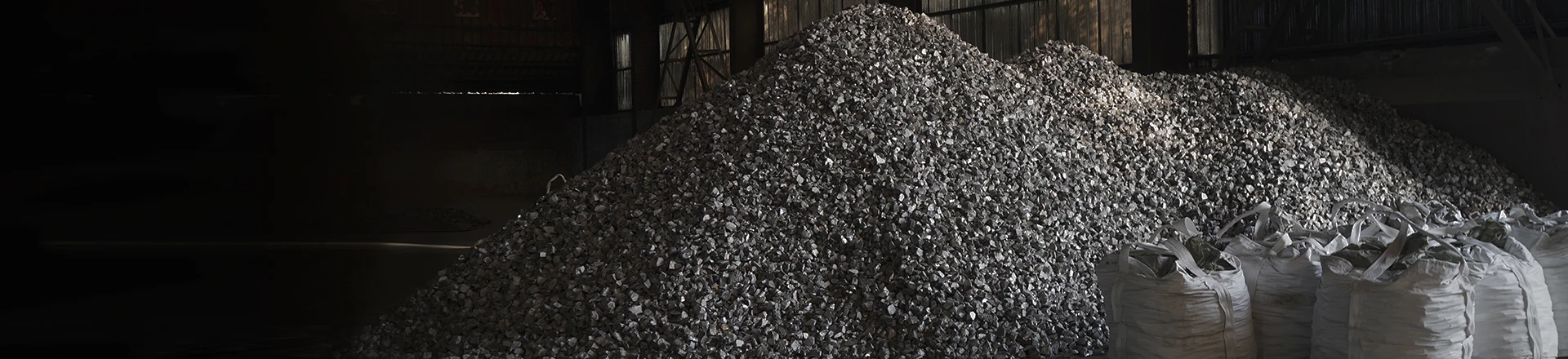
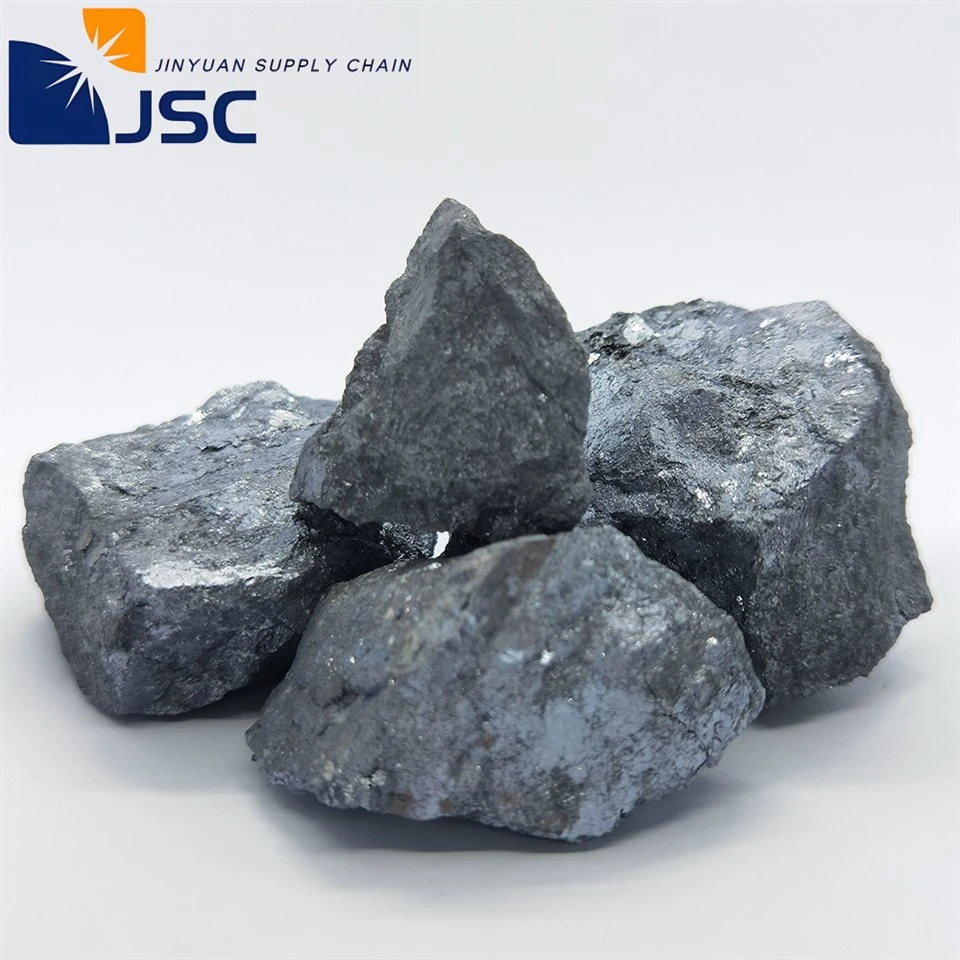
Calcium Silicon (CaSi) is also known as Silicon Calcium Alloy or Ferro Silicon Calcium. This binary alloy consists of silicon and calcium, belonging to the category of iron alloys. Calcium silicon alloy is widely used in producing low carbon steel, stainless steel and other steel types and special alloys such as nickel-based and titanium-based alloys. Calcium silicon metal can be processed into calcium silicon lump, calcium silicon cored wire, calcium silicon granule and calcium silicon powder.
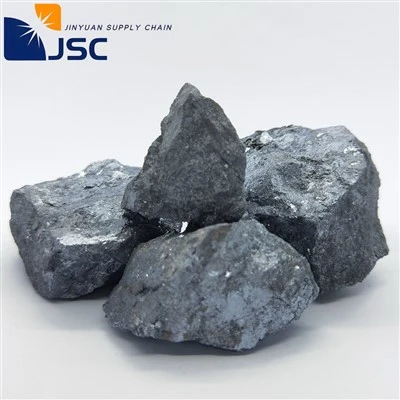
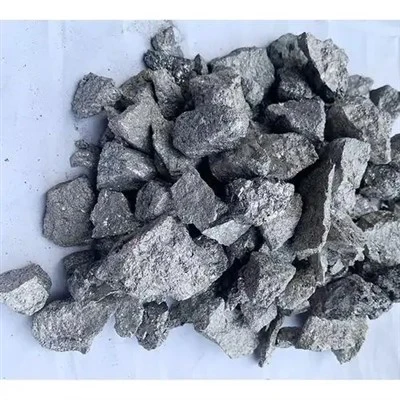
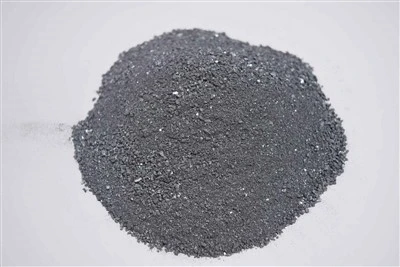
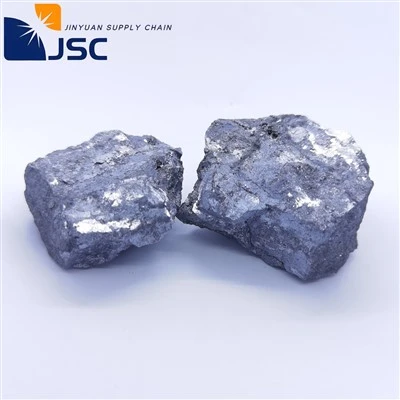
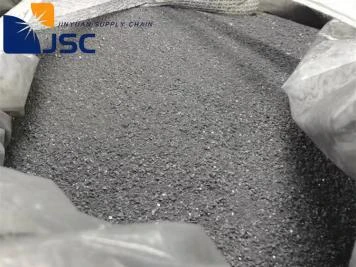
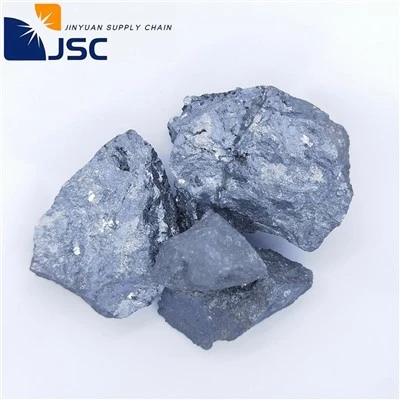
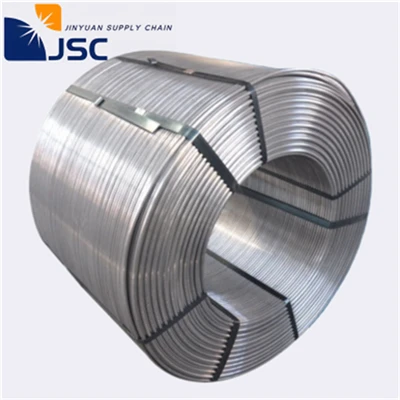
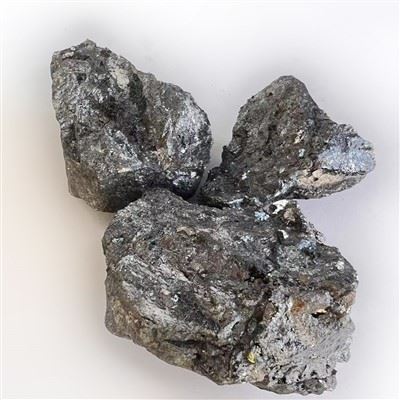
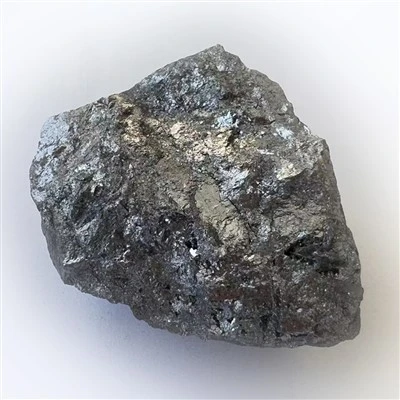
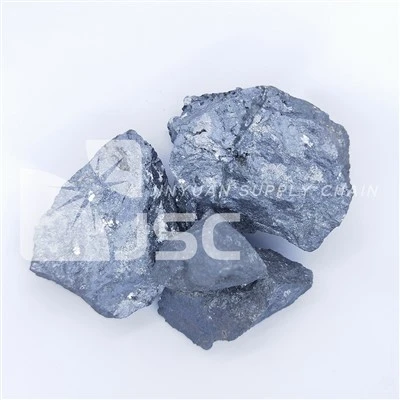
Calcium Silicon Refining the Structure:Calcium Silicon is primarily used as a deoxidizer and desulfurizer in the steelmaking process. By introducing Si-Ca into molten metal, the Silicon content reacts with oxygen and forms silica, eliminating excess oxygen and reducing the risk of porosity and other defects in the final product. Additionally, the Calcium content in Si-Ca binds with sulfur, reducing its concentration and enhancing the strength and toughness of the steel. This refining effect ensures the production of high-quality steel with improved mechanical properties.
Calcium Silicon Enhancing Casting and Solidification:When used in the foundry industry, calcium silicon acts as an effective inoculant and promotes the formation of spherical graphite in cast iron. By transforming flake graphite into a more desirable spherical shape, Si-Ca greatly improves the mechanical properties of cast iron. The spherical graphite structure enhances the metal’s strength, ductility, and thermal shock resistance, making it an ideal material for applications requiring high-performance cast iron components.
Calcium Silicon Improving Machinability:With the addition of calcium silicon to steel, manufacturers can achieve improved machinability of the material during processing. Si-Ca helps to control the size and distribution of sulfides and oxides in the steel, reducing their detrimental effects on tool life and surface finish. This results in enhanced productivity, reduced machining costs, and better overall surface quality of the machined components.
Calcium Silicon Strengthening Weldability:Si-Ca plays a vital role in enhancing the weldability of low-alloy steels. By introducing Silicon and Calcium into the weld metal, Si-Ca ensures the formation of a metallurgical bond between the filler material and the base metal. This improves the integrity and strength of the weld, reducing the risk of weld failure and increasing the overall performance of the welded structure.
Environmental Benefits:In addition to its functional advantages, calcium silicon also brings environmental benefits to the table. Si-Ca is known for its ability to reduce harmful emissions such as sulfur dioxide (SO2) during the steelmaking process. By facilitating the removal of sulfur from the metal, Si-Ca minimizes the environmental impact of steel production, contributing to cleaner and greener manufacturing practices.
Application of Calcium Silicon
Deoxidizing Agent
During the production of steel and cast iron, oxygen can be dissolved in the molten metal, leading to various issues like reduced mechanical properties and surface defects in the final product. Calcium Silicon reacts with the dissolved oxygen to form calcium oxide (CaO) and silicon dioxide (SiO2), both of which have a high affinity for oxygen. This process helps remove excess oxygen from the molten metal, improving the quality of the final steel or iron product.
Desulfurizing Agent
Calcium Silicon also helps in reducing the sulfur content in molten steel or iron. High sulfur levels can lead to brittleness and reduced mechanical properties of the material. Calcium reacts with sulfur to form calcium sulfide (CaS), which can be easily removed from the molten metal, thereby reducing the sulfur content and improving the quality of the metal.
Inclusion Modification
Calcium Silicon is used to modify and control the nature and size of non-metallic inclusions in steel. Non-metallic inclusions can adversely affect the mechanical properties and overall quality of the steel. By adding Calcium Silicon, these inclusions can be transformed into less harmful forms, improving the material's properties.
Alloying Agent
Calcium Silicon can also be used as an alloying agent to add calcium and silicon to the steel or iron. This can impart certain desirable properties to the final product, such as improved castability, increased strength, and better resistance to corrosion.
Nodularization of Cast Iron
In the production of ductile or nodular cast iron, Calcium Silicon is added to promote the formation of graphite nodules within the iron matrix. These nodules give the cast iron improved ductility, toughness, and mechanical properties compared to traditional gray cast iron.
Aluminum Deoxidation
In some cases, Calcium Silicon can be used as a partial replacement for aluminum in deoxidizing steel. This is especially relevant for certain specialized applications where aluminum can negatively impact the final product.
Ways to Use Silicon Calcium in Steel Smelting
Manual injection method
The silicon calcium is manually injected into the furnace, generally in the central area of the surface of the molten steel. When placing, pay attention to the uniform distribution of silicon calcium blocks to avoid being too concentrated or too dispersed to ensure its full reaction.
Mechanical delivery method
The silicon calcium is put into the furnace through mechanical equipment. This method can realize automatic application and improve work efficiency.
Pre-embedding method
In the production process, the silicon calcium is pre-embedded in the protective layer of argon blowing at the bottom, so that it is fully in contact with the molten steel to achieve the expected smelting effect.
Non-impurity low temperature embedding method
The non-impurity silicon calcium is processed into small pieces and embedded in the molten steel together with other auxiliary materials to achieve low temperature addition. This method can maintain the purity of the silicon calcium block and improve the effect.
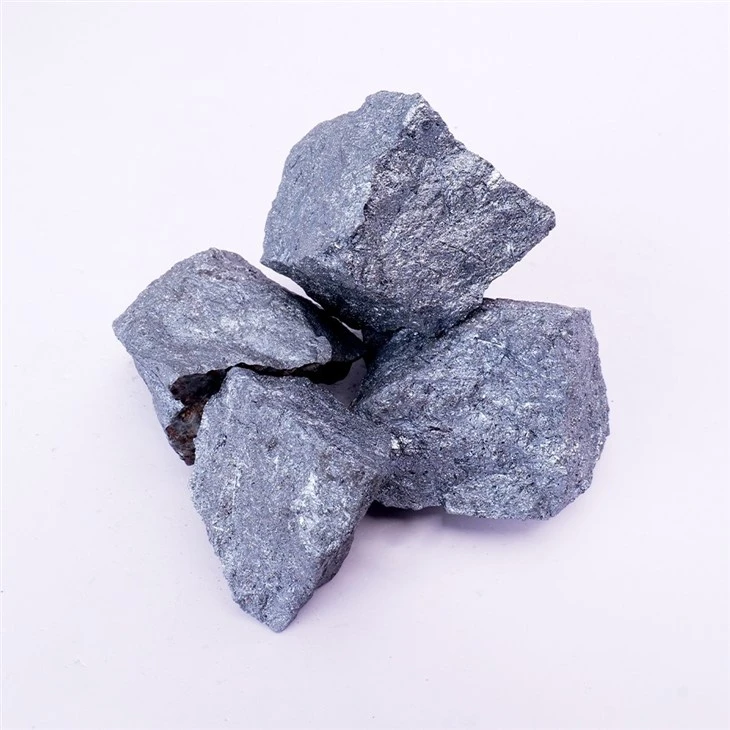
Deoxidation and Desulfurization
Silicon calcium are effective deoxidizers, meaning they help remove oxygen from the molten steel. Additionally, they contribute to desulfurization by reacting with sulfur to form calcium sulfide, which can be removed from the steel. This is important for producing high-quality steel with improved mechanical properties.
Graphite Nodulization
Silicon is known for its ability to promote the formation of graphite nodules in cast iron and steel. This process, called nodulization, is desirable in certain steel applications as it enhances the material's ductility and toughness.
Control of Inclusions
Silicon calcium can help control the formation of non-metallic inclusions in the steel, which can have detrimental effects on the material's mechanical properties. By promoting the formation of specific types of inclusions, silicon calcium contributes to the cleanliness of the steel.
Alloying
Silicon calcium are alloying agents that introduce silicon and calcium into the steel composition. Silicon contributes to the improvement of steel's strength, hardness, and electrical properties. Calcium, on the other hand, aids in modifying the steel's structure and enhancing its castability.
Grain Refinement
The presence of silicon in the alloy can also contribute to the refinement of the steel's grain structure, resulting in improved mechanical properties.
Safety Tips On Handling And Contact With Calcium Silicon
Fire Hazard
Calcium silicon may produce flammable gases in contact with water. Some react violently or explosively when in contact with water. Fires may reignite after being extinguished.
Health Hazards
Inhalation or contact with calcium silicon vapors, substances or decomposition products may cause serious injury or death. Fires can produce irritating, corrosive and/or toxic gases. Runoff of firefighting or dilution water may cause environmental contamination.
Measures to Prevent Leakage
Isolate the area of a spill or leak by at least 50 meters (150 feet) (liquids) and at least 25 meters (75 feet) (solids) in all directions. Increase direct precautionary distance downwind as needed.
Firefighting
Do not use water or foam to extinguish calcium silica fires. For small fires, use dry powder, soda ash, lime or sand. For large fires, use dry sand, dry chemicals, soda ash or lime, or evacuate the area and allow the fire to continue burning. If this can be done safely, move undamaged containers away from the area surrounding the fire.
Non-Fire Response
Eliminate all sources of ignition (no smoking, flares, sparks or flames) near calcium silicate storage areas. Do not touch or walk over spilled material. If you can do this without risk, stop the leak.
Deal with Leaks
For small spills, cover with dry earth, dry sand or other non-combustible material, then cover with plastic sheeting to minimize spread or contact with rainwater. For powder spills, use a plastic sheet or tarp to cover the powder spill to minimize spreading and keep the powder dry. Do not clean or dispose of unless under expert supervision.
Protective Clothing
Wear a positive pressure self-contained breathing apparatus (SCBA) when handling calcium silicate powder. Where there is no risk of fire, wear chemical protective clothing specifically recommended by the manufacturer. Structural firefighters' protective clothing provides thermal protection but only limited chemical protection.
Irst Aid
For accidental inhalation of calcium silicon, it is recommended to call emergency services. Make sure medical personnel understand the materials involved and take precautions to protect themselves. If it is safe to do so, move the victim to fresh air. If the victim is not breathing, give artificial respiration. If breathing is difficult, give oxygen. Remove and isolate contaminated clothing and shoes. If contact occurs, wipe immediately from skin and flush skin or eyes with running water for at least 20 minutes.
Production Methods & Characteristics of Calcium Silicon
The production methods of calcium silicon mainly include mixed feeding method, two-step method, and layered adding method.
Mixed add method
The method of operation of the mixed add method is somewhat similar to the operation method of producing 75 ferrosilicon in a small electric furnace. The difference is that, when producing the silicon alloy, according to the inherent characteristics of the silicon calcium alloy production process, the charge is not all mixed into the furnace in a mixed state. Two-thirds of the silica is mixed with lime and carbonaceous reducing agent and placed in the furnace. The remaining silica is added to the electrode during the collapse. This process basically uses continuous or regular add Smoldering.
Two-step process to produce silicon-calcium alloy
The two-step process for producing silicon-calcium alloys is to first produce calcium carbide in a circuit. Then, using calcium carbide, silica, and carbonaceous reducing agent as raw materials, a silicon-calcium alloy is produced in the second circuit.
The main advantage of this production method is that it can produce silicon-calcium alloy with high calcium content, and the operation is relatively simple. Two electric furnaces can use calcium carbide to produce silicon-calcium alloys. Currently, some countries use this method to produce silicon calcium and gold.
Layered adding to produce silicon-calcium alloy
The layered adding method is characterized in that a mixture consisting of an excess of reducing agent and lime is added first, and after the batch of materials is used to produce calcium carbide, the remaining silica stone and reducing agent are added. During operation, the excess silica in the second charge is used to destroy the calcium carbide formed by the first charge, such as calcined, to obtain silicon calcium and gold.
How to Store Calcium Silicate?
Make sure the storage environment is dry
Calcium silicate is easy to absorb moisture, so the storage environment needs to be kept dry to prevent it from absorbing too much moisture and causing performance deterioration. It is recommended to store calcium silicate powder in a well-ventilated place without direct sunlight, and the warehouse should be explosion-proof, rain-proof and moisture-proof.
Avoid exposure to high temperature environments
High temperature environments will accelerate the aging and decomposition of calcium silicate, thus affecting its quality. Therefore, it should be stored in a low temperature environment and try to avoid exposure to high temperatures. At the same time, it is best to set temperature limit indicators and alarms to ensure that the temperature of the storage environment is always maintained within the appropriate range.
Avoid contact with acid and alkali substances
Calcium silicate may react with acid and alkali substances, thus affecting its quality. Therefore, it should be stored away from acid and alkali substances, and ventilation and dust collection and purification facilities should be installed in the warehouse to reduce contact with acid and alkali substances.
Avoid contact with oxygen and oxidants
Calcium silicate is easily oxidized, causing its quality to deteriorate. Therefore, it should be stored away from oxygen and oxidizing agents to reduce the possibility of oxidation. In addition, there is a reaction between calcium silicon and calcium silicon carbon composite deoxidizer, which needs to be avoided.
Avoid contact with metal substances
Calcium silicon easily reacts with metal substances, thus affecting its quality. Therefore, it should be stored away from metallic materials and protected during storage using plastic bags or plastic containers.
Certifications


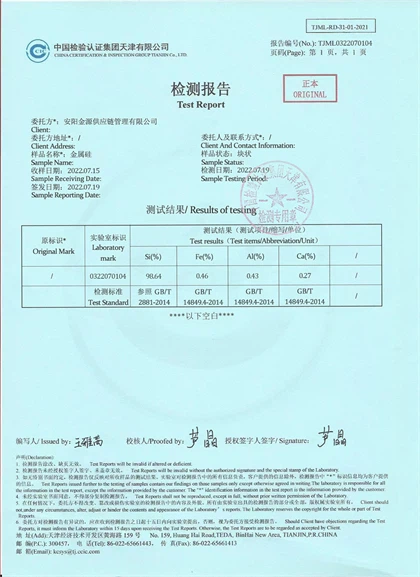
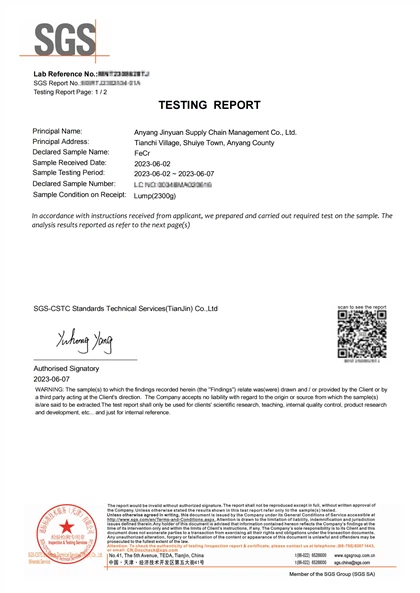
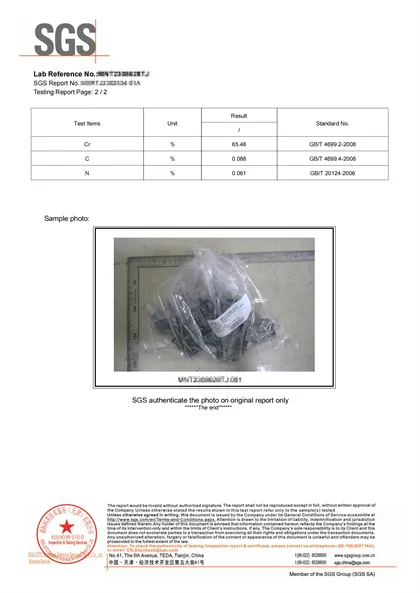

Anyang Jinyuan Supply Chain Management co., Ltd was established in 2021s. It covers an area of 30,000 square meters, with registered capital of 1,638,880 dollars, liquid capital of 6million dollars and annual sales of 16 million dollars. We are capable of researching and developing new products independently. For the past years, we have produced many new and special products for clients of steel mills and foundry industries, which satisfy our clients and help us enjoy good comments and higher praise.

Ultimate FAQ Guide to Calcium Silicon
Q: What are calcium silicate boards used for?
Q: Does calcium silicate contain asbestos?
Q: Is calcium silicate insulation bad for you?
Q: What is calcium silicate made from?
Q: What does calcium silicate come from?
Q: How do you identify calcium silicate boards?
Q: Is calcium silicate fire proof?
Q: What is the life expectancy of a calcium silicate board?
Q: Is calcium silicate a ceramic?
Q: Is calcium silicate plastic?
Q: What cement is made from calcium silicate?
Q: What is calcium silicate additive in food?
Q: Can calcium silicate board get wet?
Q: Is calcium silicate board brittle?
Q: Is calcium silicate board same as cement board?
Q: How do you cut a calcium silicate board?
Q: What is the fire rating of calcium silicate board?
Q: Are calcium silicate bricks still used?
Q: Is calcium silicate fire proof?
Q: Is calcium silicate used in cement?