

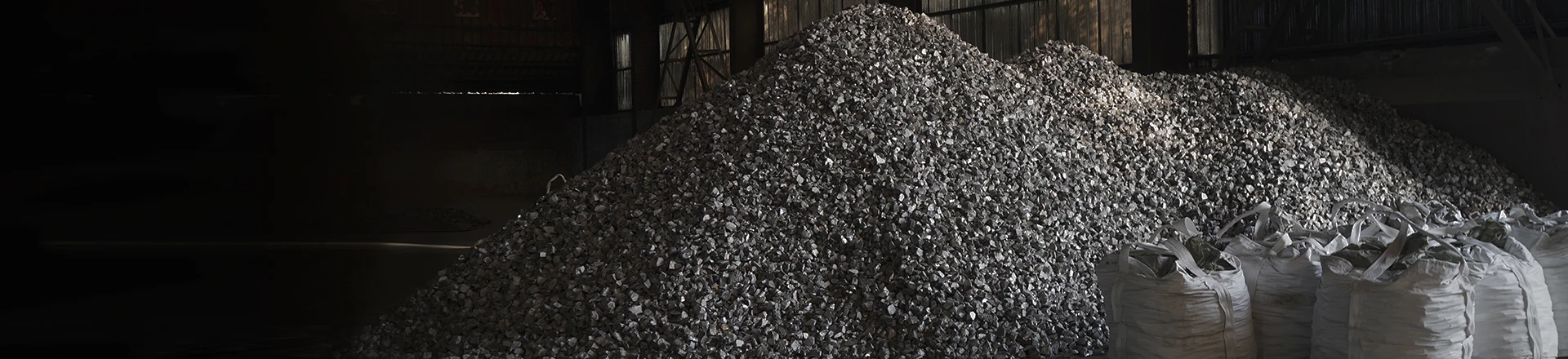


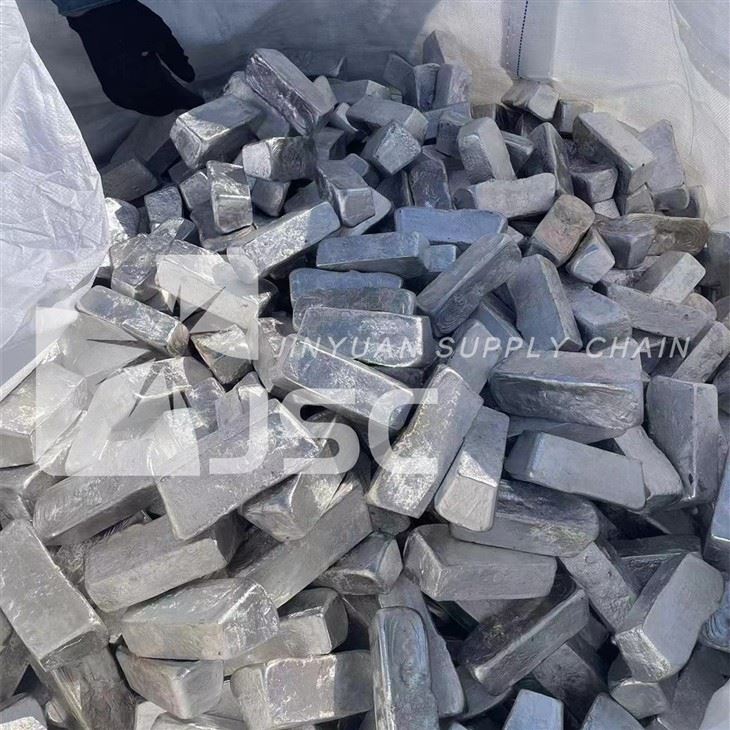

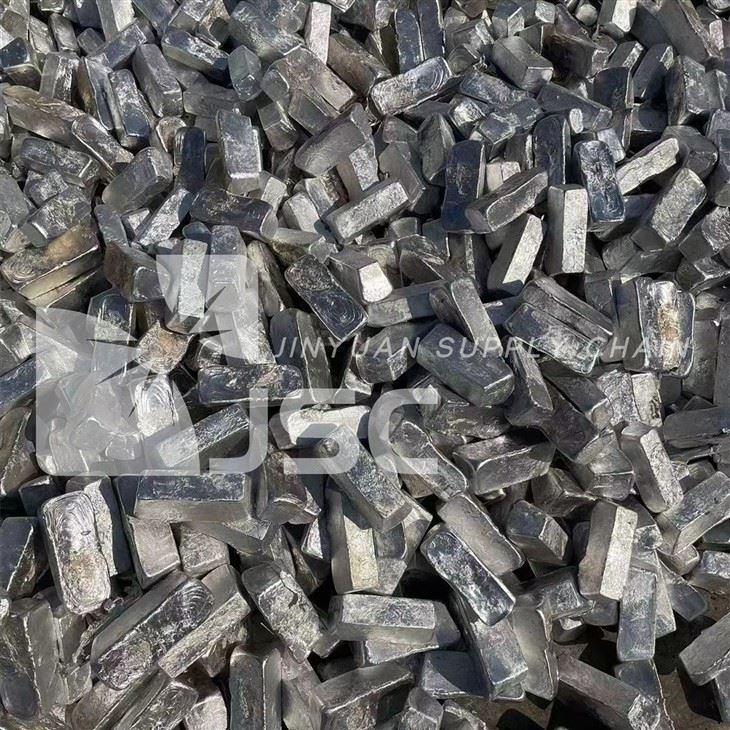
Magnesium Ingot
Magnesium Ingot is a significant non-ferrous metal, lighter than aluminum, and capable of forming high-strength alloys with other metals. Magnesium alloys offer advantages such as low density, high strength-to-weight ratio, good thermal and electrical conductivity, strong corrosion resistance, excellent damping and shock absorption, ease of processing and recycling, among others.
Material characteristics include lightweight structures, high rigidity with impact resistance, excellent corrosion resistance, good thermal conductivity and electromagnetic shielding, good non-flammability, poor heat resistance, and ease of recycling. Typical applications include aerospace, automotive, electronics, mobile communications, and metallurgical industries.
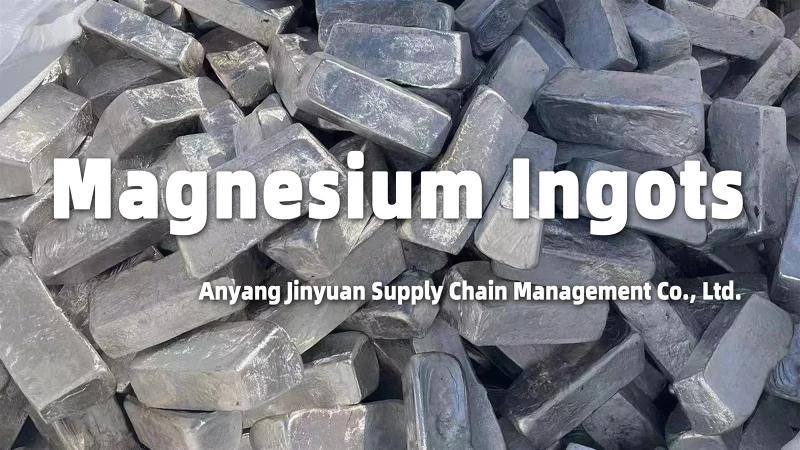

Application of Magnesium Ingot
One of Magnesium Ingot's applications is as an alloying element in aluminum alloys to enhance material strength and corrosion resistance. Additionally, magnesium is added to die-cast zinc alloys to improve their mechanical properties and dimensional stability. It is also used in high-energy storage materials.
However, due to high prices and technological limitations, magnesium and magnesium alloys have been sparingly used in aerospace, military, and high-end industries, earning them the moniker "the metal of the aristocrats." Today, magnesium ranks as the third-largest metal engineering material after steel and aluminum, finding extensive applications in aerospace, automotive, electronics, telecommunications, and metallurgical industries.
The formation of loose lightweight magnesium oxide due to the combination of oxygen in Magnesium Ingot 99.95 high-purity magnesium ingots or the reaction of poor-quality paint with humid air directly with magnesium alloy may lead to the generation of magnesium hydroxide. These by-products, resembling the alkaline efflorescence seen on concrete and brick surfaces of buildings, can expand in volume and cause paint film delamination, resulting in peeling.
It is foreseeable that with increasing production costs of other structural metals, the importance of magnesium metal will further increase. Magnesium alloys are commonly used for their non-flammable properties, particularly in automotive components and construction materials, to prevent instantaneous combustion. Magnesium alloys have a density of 68% that of aluminum alloys, 27% of zinc alloys, and 23% of steel, making them suitable for automotive parts, 3C product casings, and construction materials. Most ultra-thin laptops and mobile phone casings are made of magnesium alloys.
FAQ
Q: What is the history of Anyang Jinyuan Supply Chain Management Co., Ltd?
Q: Where are your products exported to?
Q: What kind of products do you offer?
Q: What is the application scope of your products?
Q: Do you have any certifications?
Q: How do you ensure the quality of your products?
Q: Can you provide samples for testing?
Q: What is your approach to environmental sustainability?
Q: How do I contact you for further inquiries?
Hot Tags: magnesium ingot, China magnesium ingot manufacturers, suppliers, factory, Silicon Briquette 65, High Carbon Fecr, Carbon Raiser, Electrolytic Manganese Flakes 99 7 , Ferro Silicon Lumps, Ferro Silicon Slag
Previous
High Carbon Ferro SiliconYou Might Also Like
Send Inquiry