



Ferro Silicon
High quality products:We adhere to the use of high-quality raw materials and adopt advanced technology and strict quality control to ensure that the supplied ferroalloy products meet international standards and customer needs.
Fast delivery:We have a strong supply chain and logistics network that can deliver products to customers in the shortest possible time and provide timely tracking services to ensure that customer needs are met.
Personalized customization:We can customize production and packaging according to the specific needs of our customers, to meet the needs of various applications and markets, and provide the best solutions for our customers.
Professional team support:We have an experienced and technically proficient team that can provide customers with comprehensive technical support and consulting services, answer various questions, and provide professional opinions.
Sincerely follow customers:We respect the needs and opinions of our customer wholeheartedly serve them, and establish long-term cooperative relationships to become a trusted supplier for our customers.
What is Ferro Silicon?
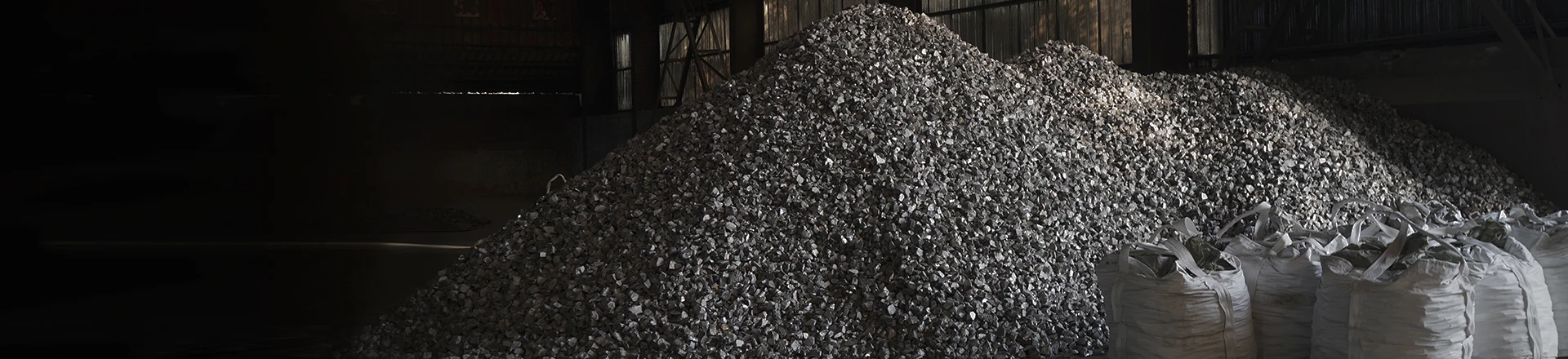
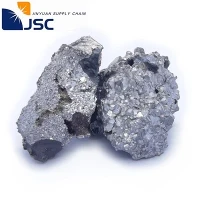
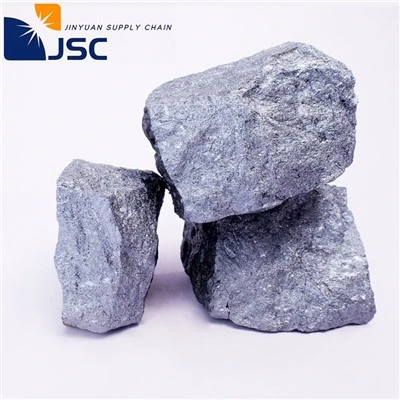
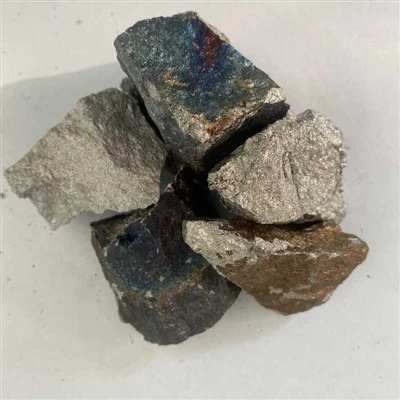
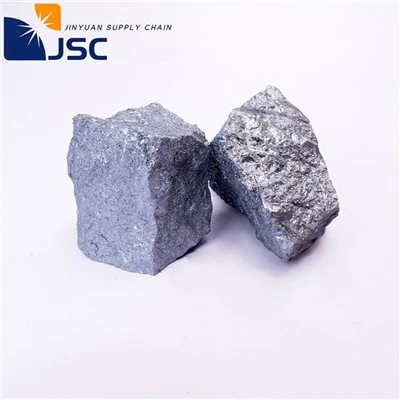
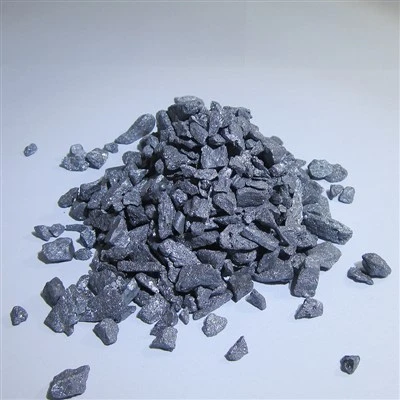
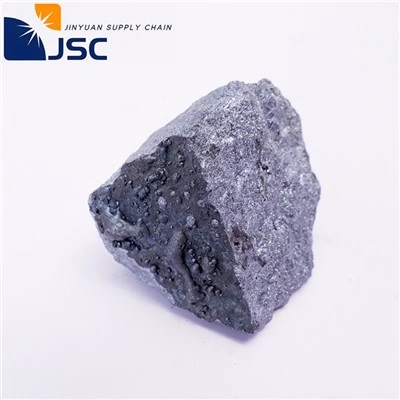
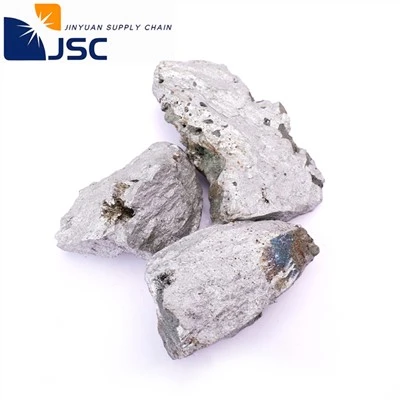
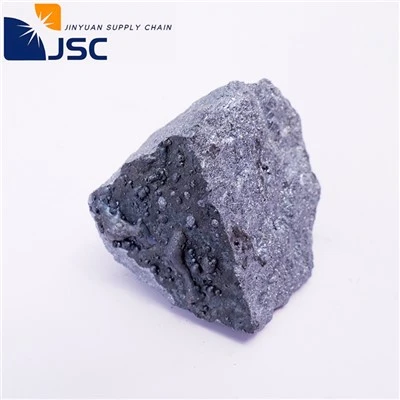
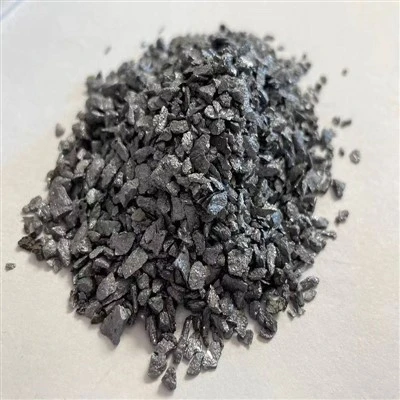
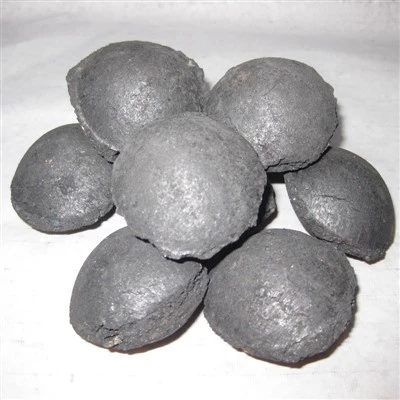
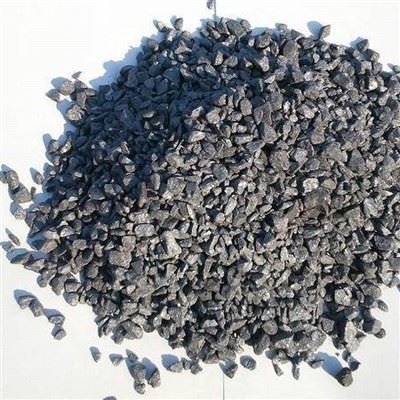
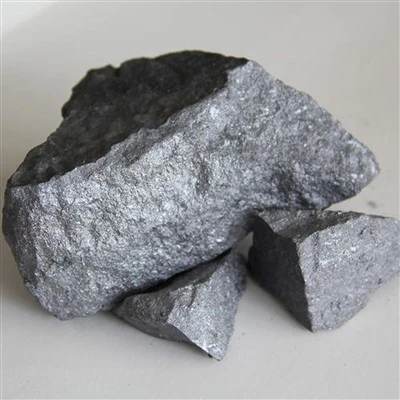
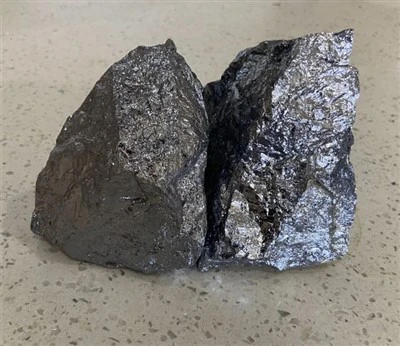
Ferrosilicon (FeSi) is an alloy of iron and silicon that is principally used in steelmaking for deoxidation and as an alloying component. The highest-quality ferrosilicon is made in an electric arc furnace by reducing silica with coke in the presence of iron (usually derived steel scrap or iron ore). The ferrosilicon usually takes the form of shiny, metallic-grey lumps, but is also available as pre-formed briquettes.
Advantages of Ferro Silicon
Deoxidation and Desulfurization
Ferro silicon is commonly used as a deoxidizer in steelmaking processes. It reacts with oxygen in the molten steel to form silicon dioxide (SiO2) and helps remove impurities like oxygen and sulfur from the steel. This results in cleaner and more refined steel with improved mechanical properties.
Grain Refinement
Ferro silicon promotes the formation of fine grains during solidification, which can lead to improved mechanical properties and better surface finish of the steel product.
Increased Strength and Hardness
By adding ferro silicon to steel, its strength and hardness are enhanced, making it more suitable for structural applications that require high strength and wear resistance.
Improved Electrical and Magnetic Properties
Ferro silicon can enhance the electrical and magnetic properties of steel, making it useful for electrical transformers, motors, and other electromagnetic devices.
Heat Resistance
The addition of ferro silicon improves the heat resistance of steel, making it suitable for applications involving high temperatures, such as in furnace parts and heat exchangers.
Corrosion Resistance
Ferro silicon can enhance the corrosion resistance of steel, making it more resistant to rust and environmental degradation, particularly in harsh or corrosive environments.
Cost-effective Alloying Element
Ferro silicon is a relatively inexpensive alloying element, making it an economical choice for enhancing the properties of steel without significantly increasing production costs.
Control of Microstructure
The presence of silicon in ferro silicon allows for better control of the steel's microstructure, resulting in improved mechanical properties and overall performance.
Types of Ferro Silicon
Ferrosilicon is often categorized according to the levels of various minor components, depending on the application requirements. These categories include:
Low-carbon ferrosilicon and ultra-low-carbon ferrosilicon
Used to avoid re-introducing carbon during the manufacture of stainless steel and electrical steel.
Low-titanium (high-purity) ferrosilicon
Used to avoid TiN and TiC inclusions in electrical steel and some special steels.
Low-aluminium ferrosilicon
Used to avoid the formation of hard Al2O3 and Al2O3–CaO inclusions in a range of steel types.
Special ferrosilicon
A general term that covers a range of tailor-made products containing other alloying elements.
Application of Ferro Silicon
Silicon slag, with a silicon content ranging from 30% to 90%, plays a pivotal role in iron-making processes such as blast furnace and cupola operations. Its inclusion serves as a strategic silicon addition, contributing to the enhancement of iron properties and overall production efficiency.
Within the spectrum of steelmaking, silicon slag takes center stage, constituting 50% to 70% of its composition. This significant silicon content makes it an invaluable agent for deoxidizing steel, a critical step in refining the quality and integrity of the final steel product.
Silicon slag emerges not just as a byproduct but as a viable alternative to silicon metal. Its adaptability and silicon-rich composition position it as a noteworthy substitute, offering flexibility in various industrial applications.
In our commitment to innovation and market diversity, we utilize silicon slag to produce silicon briquettes. These briquettes, derived from silicon slag, find extensive markets both domestically and internationally. The versatility of siliconslag extends beyond traditional applications, paving the way for novel and sought-after products in the silicon market.
Key Raw Materials for the Production of Ferro Silicon
Iron Ore
The foundation of ferrosilicon, iron ore, is sourced from rich deposits. Iron is the primary ingredient that gives the alloy its strength and durability.
Silica
Silica, derived from quartz, is a pivotal flux material. It aids in eliminating impurities from the iron ore, ensuring the final alloy’s quality.
Coke
Extracted from coal, coke acts as the reducing agent. It initiates the chemical reaction necessary to extract iron from the ore.
Physical and Chemical Properties of Ferro Silicon
● Appearance: The shape of the ferrosilicon powder particles may be spherical or irregular. Such as block, crush or grind.
● Color: The color of ferrosilicon varies between silver grey and dark gray.
● Odor: Odorless; dangerous when inhaled.
● Specific Gravity: The specific gravity of ferrosilicon varies with the ratio of the two chemicals mixed. For FeSi 75, the specific gravity was 3.01.
● Flammability: The dust particles of ferrosilicon are flammable.
● Solubility: Ferrosilicon can react with water to form hydrogen.
● Boiling point: The boiling point of this material is 2355 °C.
● Molecular weight: The molecular weight of the alloy was 28.0855 g / mol.
● Corrosive: Corrosion resistance and wear resistance.
● Density: The density of ferrosilicon is different for different proportions of alloy composition.
The density of FeSi 45 is 5.1 g / cm 3 .
The density of FeSi 75 was 2.8 g / cm 3 .
The density of FeSi 90 is 2.4 g / cm 3 .
● Melting point: The melting point of the material varies with the silicon content.
FeSi 45 contains 45% silicon with a melting point in the range of 1215 ° C and 1300 ° C.
FeSi 75 contains 75% silicon with a melting point ranging from 1210 ° C to 1315 ° C.
FeSi 90 contains 90% silicon and has a melting point in the range of 1210 ° C to 1380 ° C.
The Role of Ferro Silicon in Steelmaking
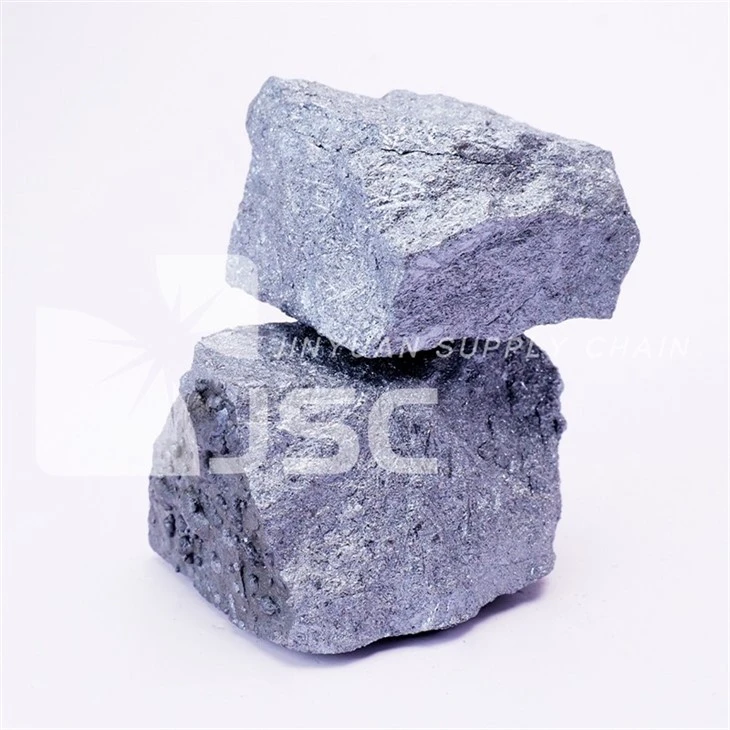
In steelmaking, ferro silicon is used for:
Product performance
Ferrosilicon is a convenient way of adding silicon as an alloying element, to improve various properties of the final steel.
Slag reduction
In the manufacture of stainless steels, the presence of silicon reduces chromium oxides in the melt, improving recovery of metallic chromium.
Deoxidation
Ferrosilicon provides quick-acting removal of oxygen from the melt, so avoiding the presence of inclusion-forming oxides and avoiding loss of desirable elements.
Fuel
Some steel mills add ferrosilicon to the melt so that it can be burnt off to get heat into the furnace, and so reduce energy costs.
Production Process of Ferro Silicon
Ferro silicon is produced by smelting a mixture of iron and silicon in an electric arc furnace. The process involves the following steps:
Raw Materials
The primary raw materials for ferro silicon production are iron ore, coke, and quartz. lron ore is used as a source of iron, coke is used as a reducing agent, and quartz is used as a source of silicon.
01
Mixing
The raw materials are mixed in a specific ratio and charged into an electric arc furnace. The furnace is lined with refractory material to withstand high temperatures.
02
Smelting
The mixture is heated to a temperature of around 2000°C using electric arc technology. The heat generated by the arc melts the raw materials, and the chemical reaction between iron and silicon produces ferro silicon.
03
Refining
The molten ferro silicon is then poured into a ladle and refined to remove impurities such as sulfur, phosphorus, and other non-metallic elements.
04
Cooling and Solidification
The refined ferro silicon is then poured into molds and allowed to cool and solidify. The resulting ingots can be further processed into smaller sizes, depending on the application.
05
Differences between Silicon Manganese and Ferro Silicon
Silicon Manganese and ferro silicon are alloys used in the production of steel and other iron-based alloys. Here are the key differences between them:
Composition:
– Silicon Manganese: It is an alloy composed of manganese, silicon, and iron. The manganese content is typically around 65-70%, and the silicon content is around 15-20%, with the remaining being iron and other trace elements.
– Ferro silicon: It is primarily composed of iron and silicon, with silicon content ranging from 15% to 90%. The most common grades contain around 75-80% silicon.
Purpose:
– Silicon Manganese: It is used as a deoxidizing agent in the production of steel. It helps improve the strength and toughness of steel and also acts as a desulfurizing agent.
– Ferro silicon: It is primarily used as a deoxidizing agent in the production of steel and cast iron. It also adds silicon to the alloy, which imparts certain desirable properties to the final product.
Deoxidizing Properties:
– Silicon Manganese: It is a stronger deoxidizer compared to ferrosilicon. It effectively removes oxygen from molten steel, preventing the formation of oxides.
– Ferro silicon: While it is also a deoxidizing agent, it is not as efficient as manganese silicon in removing oxygen from molten metal.
Effect on Steel Properties:
– Silicon Manganese: Improves the strength, hardness, and wear resistance of steel. It also helps in preventing the formation of harmful inclusions.
– Ferro silicon: Adds hardness and corrosion resistance to steel. It also enhances the fluidity of molten metal during casting.
Applications:
– Silicon Manganese: Commonly used in the production of high-strength low-alloy (HSLA) steels, stainless steels, and some special alloy steels.
– Ferro silicon: Widely used in the manufacturing of various steel and cast iron products, including carbon steel, stainless steel, and cast iron.
Factors Affecting The Price Of Ferro Silicon
Macroeconomic trend
Ferrosilicon are important raw materials for the steel industry, and the macroeconomic trend will inevitably affect the steel industry's demand for them, which in turn will affect the price of ferroalloys.
Profit In The Steel Industry
The downstream of ferrosilicon basically comes from the steel industry. The profit of steel affects the operation of steel mills, which in turn affects the demand for raw materials and affects the price of ferroalloys. In particular, the monthly bidding and procurement of iron and steel enterprises is the main pricing model for domestic ferroalloys. Iron and steel enterprises occupy a dominant position in the ferroalloy market. The ferroalloy industry has excess capacity and a large number of enterprises, so they are often forced to accept the prices locked by iron and steel enterprises. The willingness of steel mills to bid for ferrosilicon is directly affected by steel profits.
Fluctuation In Demand
In addition to systematic changes in demand for ferroalloys caused by changes in steel profits, pricing mechanisms, and seasonal production factors will also affect steel mills'demand for ferrosilicon. In terms of the pricing mechanism, since iron and steel enterprises implement centralized procurement at a specific time every month, demand will drop during non-purchasing hours, and prices will be affected by short-term fluctuations. The production seasonality of the steel mill itself will also lead to fluctuations in demand. For example, during the traditional Spring Festival, steel mills generally choose to concentrate on replenishment to increase the demand for ferroalloys in the short term. Production also leads to a significant decline in demand for raw materials in winter.
Cost Situation
Since ferrosilicon are in a relatively weak position in the industrial chain, and the output changes rapidly, they generally maintain a low-to-medium profit level, and changes in their own costs have an impact on prices. Among them, the cost structure of ferrosilicon has certain differences. Among them, the main cost of Silicon Manganese is the cost of manganese ore, accounting for about 50%-60%, while the main cost of ferrosilicon is electricity cost, accounting for about 50%, while the cost of raw materials accounts for a small proportion. Due to the small fluctuations in electricity costs, generally, the price of manganese ore fluctuates greatly, resulting in a much higher fluctuation in the cost of manganese and silicon than that of ferrosilicon.
What Is the Difference Between Ferro Silicon and Silicon Metal?
Composition:
Ferro silicon is an alloy of iron and silicon. It typically contains between 15% and 90% silicon and small amounts of other elements such as carbon, phosphorus, and sulfur. The amount of silicon in ferro silicon determines its properties, such as its melting point, density, and hardness. The composition of ferro silicon can vary depending on the specific application it is intended for.
Silicon metal, on the other hand, is a pure form of silicon. It is produced by heating quartz and carbon in an electric furnace at very high temperatures. The resulting material is a crystalline structure that is nearly 100% silicon. Silicon metal is often used as a raw material for the production of other silicon-based materials such as silicones, silanes, and semiconductors.
Properties:
Ferro silicon is a hard and brittle material that is resistant to corrosion and oxidation. It has a high melting point and density, making it suitable for use in steelmaking, cast iron production, and other industrial applications. Ferro silicon is also a good source of silicon for the production of silicon-based alloys.
Silicon metal, on the other hand, is a shiny, silver-gray material that is extremely pure and has a high melting point. It is an excellent conductor of heat and electricity and is often used in the production of electronic components such as computer chips, solar cells, and semiconductors. Silicon metal is also used as an alloying agent in the production of aluminum and steel.
Uses:
Ferro silicon is primarily used as an additive in steelmaking and cast iron production. It is added to molten iron to improve its properties such as strength, hardness, and resistance to corrosion. Ferro silicon is also used in the production of other alloys such as silicon manganese, silicon aluminum, and silicon bronze.
Silicon metal is used in a wide range of applications. Its excellent electrical conductivity makes it a key material in the production of electronic components such as computer chips, solar cells, and semiconductors. Silicon metal is also used in the production of aluminum alloys, which are used in the automotive and aerospace industries.
Several factors can affect the melting point of ferro silicon, including:
Silicon content: As mentioned earlier, the silicon content of ferro silicon has a direct impact on its melting point. The higher the silicon content, the higher the melting point.
Impurities
The presence of impurities such as sulfur, phosphorus, and carbon can lower the melting point of Ferro Silicon.
Pressure
High pressure can increase the melting point of Ferro Silicon.
Heating rate
The heating rate also affects the melting point of Ferro Silicon. A slow heating rate can result in a lower melting point.
Everything You Need to Know About the Density of Ferro Silicon
Smaller atomic mass
Ferro silicon is an alloy of two elements, silicon and iron, with silicon having an atomic mass of 28.09 and iron having an atomic mass of 55.85. Comparatively speaking, the atomic mass of silicon is small, so ferrosilicon has a low average atomic mass, which results in a relatively low density.
Loose crystal structure
The crystal structure of ferrosilicon is body-centered cubic, which is relatively loose. The loose crystal structure means that the atoms are more widely spaced and are relatively easily displaced, resulting in a lower density of the overall alloy.
Alloy composition
The silicon and iron content of ferrosilicon alloys also has an effect on density. Generally speaking, ferrosilicon alloys have a silicon content of about 10 to 30 percent, with iron making up the bulk of the content. Because silicon has a relatively small atomic mass, the higher the silicon content, the lower the density of ferrosilicon.
What Should You Pay Attention to to Prevent Ferro Silicon from Powdering?
The thickness of ferro silicon ingot is not easy to be too thick, in order to reduce the segregation degree of ferro silicon.
Strictly control the silicon content of ferro silicon, not too low. Control ferrosilicon aluminum, phosphorus and calcium content, so to use better raw materials, especially can not use high ash coke, in order to reduce aluminum, phosphorus content, in order to reduce the calcium content of ferrosilicon, smelting should be as far as possible to reduce the addition of lime.
Ferro silicate should be stored in the warehouse, strictly protected from rain.
Certifications


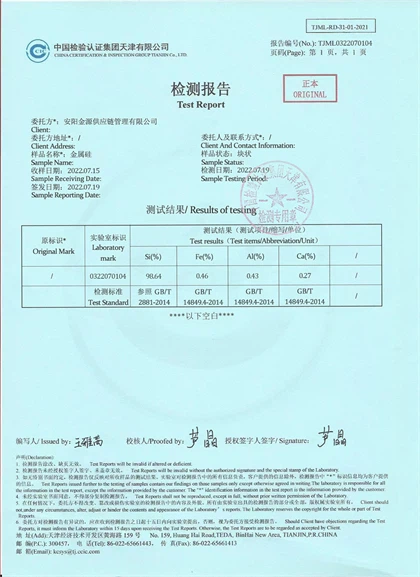
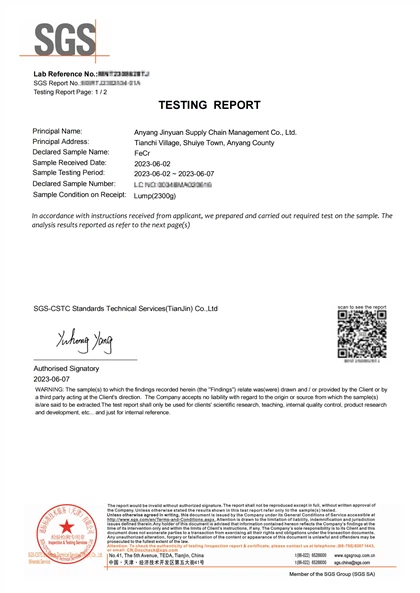
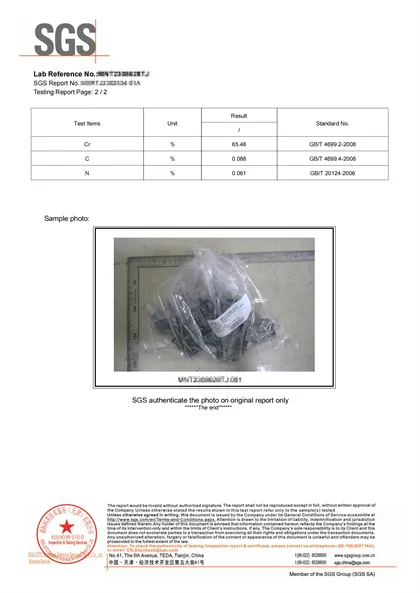

Anyang Jinyuan Supply Chain Management co., Ltd was established in 2021s. It covers an area of 30,000 square meters, with registered capital of 1,638,880 dollars, liquid capital of 6million dollars and annual sales of 16 million dollars. We are capable of researching and developing new products independently. For the past years, we have produced many new and special products for clients of steel mills and foundry industries, which satisfy our clients and help us enjoy good comments and higher praise.

Ultimate FAQ Guide to Ferro Silicon
Q: What is the purpose of ferro silicon?
Q: What is the raw material for ferro silicon?
Q: Is ferro silicon magnetic?
Q: What is the difference between silicon and ferrosilicon?
Q: What is another name for ferrosilicon?
Q: Is ferrosilicon a chemical?
Q: What are the grades of ferro silicon?
Q: Is ferrosilicon a metal?
Q: What is ferro silicon calcium?
Q: What is ferro silicon magnesium?
Q: What is the reaction of ferrosilicon?
Q: What is the specific gravity of ferrosilicon?
Q: Is there anything better than silicon?
Q: What is the by product of the silicon and ferrosilicon industries?
Q: What is the use of ferro manganese silico manganese and ferro silicon?
Q: Is ferrosilicon flammable?
Q: What is ferro silicon used in steelmaking processes?
Q: What is the composition of ferro silicon slag?
Q: Is ferrosilicon strong?
Q: Is ferro silicon used in semiconductor?